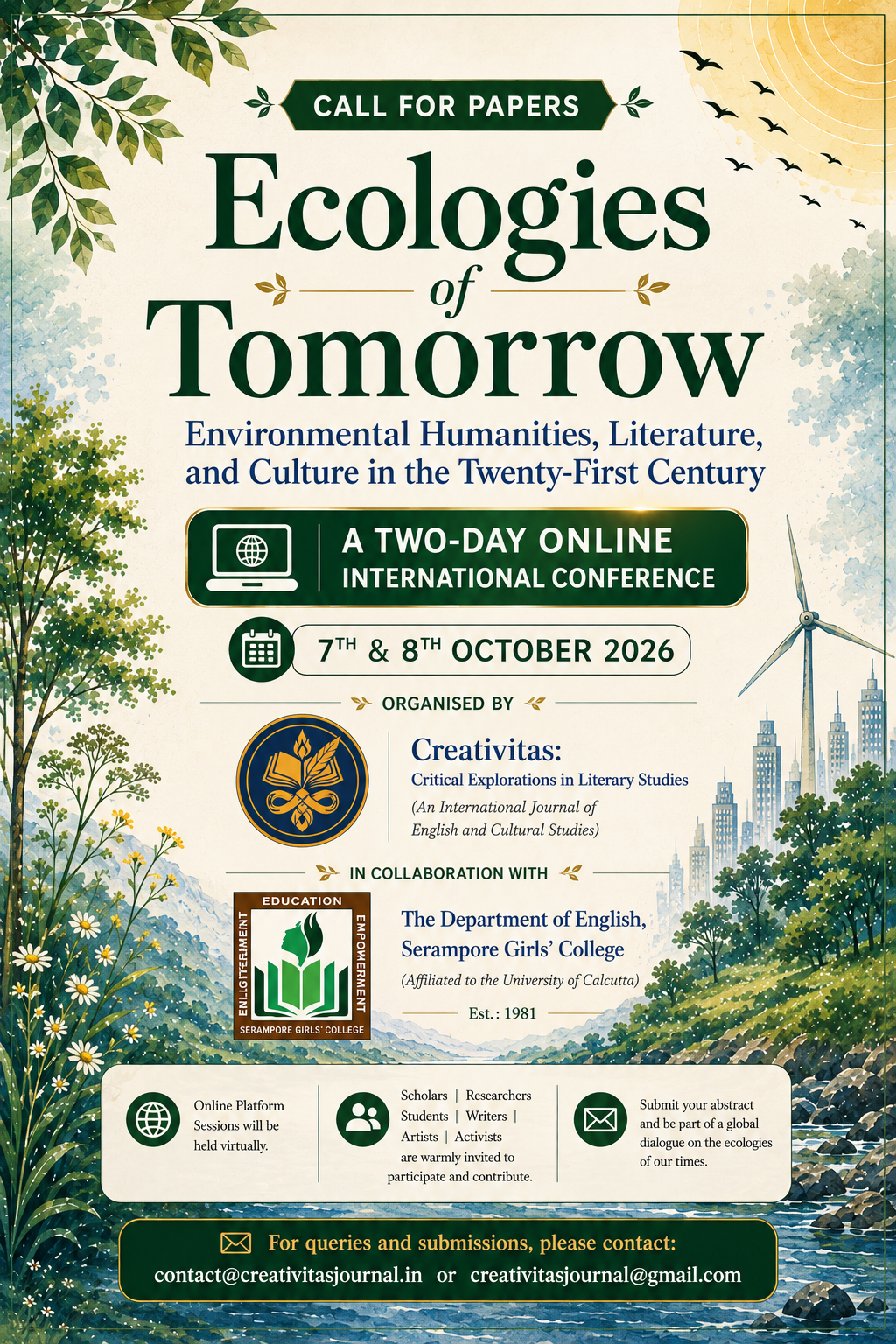
Creativitas: Critical Explorations in Literary Studies
An International Journal of English and Cultural Studies
The Department of English
Serampore Girls' College
Affiliated to the University of Calcutta · Est. 1981
Concept Note
Rethinking the environmental imagination through critical humanities.
The Environmental Humanities has emerged as an indispensable interdisciplinary nexus for diagnosing and navigating the profound ecological ruptures of the twenty-first century. Since Lawrence Buell and Cheryll Glotfelty foundationalized ecocriticism to examine the “environmental imagination” (Buell 2; Glotfelty xviii), the escalating realities of climate collapse have irrevocably collapsed the traditional boundaries between human history and natural history (Chakrabarty 201). Consequently, as novelist and theorist Amitav Ghosh contends, the era of the Anthropocene is fundamentally a “crisis of culture, and thus of the imagination” (Ghosh 9). Yet, the future trajectory of this discipline requires radical new vocabularies that move beyond early, Eurocentric diagnoses.
In alignment with the scope of Creativitas: Critical Explorations in Literary Studies, this conference asks how literature, media, and culture mediate our rapidly mutating biosphere. We must aggressively interrogate the conceptual limits of the “Anthropocene,” recognizing, with Jason W. Moore, the systemic, extractive forces of the “Capitalocene” (Moore 6).
Crucially, the Environmental Humanities must decentre Western-centric narratives of ecological collapse. As Kathryn Yusoff argues, mainstream Anthropocene discourse often erases how geology and environmental destruction are historically rooted in anti-Black violence, slavery, and colonial extraction (Yusoff 2). Similarly, Indigenous philosopher Kyle Powys Whyte reminds us that for many marginalized communities, climate change is not a new, impending apocalypse, but the continuation of centuries of colonial environmental violence (Whyte 225). We must grapple with what Rob Nixon terms “slow violence”—the delayed, invisible destruction dispersed across time and space that disproportionately devastates the Global South (Nixon 2). Following Max Liboiron’s assertion that pollution is fundamentally a form of colonialism (Liboiron 6), we invite scholarship that bridges postcolonial theory and ecocriticism to map localised resistance against systemic harm.
Furthermore, forging new ecological paths demands a rigorous engagement with the non-human, moving away from anthropocentric exceptionalism. We are called to heed Donna Haraway’s imperative to “stay with the trouble” by cultivating practices of multispecies entanglement and sympoiesis (Haraway 33). This requires integrating Critical Animal Studies, following Jacques Derrida’s foundational deconstruction of the human/animal binary (Derrida 399) and Cary Wolfe’s posthumanist frameworks (Wolfe 9). We must examine non-human subjectivities, the poetics of extinction, and what Nicole Shukin identifies as “animal capital”—the rendering of animal life as both symbolic and fleshy currency in market economies (Shukin 11).
To navigate these entanglements, we must embrace the lively, porous nature of reality itself. Through the lens of New Materialism and Ecofeminism, we seek to dismantle the enduring dualisms (culture/nature, mind/body) that Val Plumwood argues have historically justified the simultaneous mastery of nature and marginalised bodies (Plumwood 4). We encourage engagements with Stacy Alaimo’s concept of “transcorporeality,” which highlights how human bodies are violently and intimately entangled with toxic environments (Alaimo 2). By recognising the “thing-power” of non-human entities (Bennett 4) and confronting the ungraspable scale of “hyperobjects” like global warming and microplastics (Morton 1), literary and cultural studies can reimagine agency in a damaged world.
Finally, this conference seeks to expand the elemental parameters of the field through the Blue and Energy Humanities. We must transition from purely land-centred (terra-centric) frameworks to “blue” thinking (Mentz 2), exploring oceanic literature, hydro-criticism, and maritime colonialism (DeLoughrey 3). Concurrently, as we face the necessity of a post-carbon future, we must examine the deep cultural saturation of fossil fuels. Addressing Stephanie LeMenager’s “petro-melancholia” (LeMenager 11) and Imre Szeman’s work on petrocultures (Szeman 15), we must ask: how are our social and aesthetic imaginaries dependent on oil, and how can cultural texts facilitate an energy transition? Ultimately, Ecologies of Tomorrow invites scholars to chart these intersections, using the critical tools of the humanities to imagine resilient, decolonial, and multispecies futures.
Sub-Themes
Contributions are invited on topics including, but not limited to:
- Rethinking the Anthropocene: Capitalocene, extraction, and the limits of a shared human narrative
- Postcolonial ecocriticism, slow violence, and environmental justice in the Global South
- Race, coloniality, and the geologic: Black and Indigenous critiques of Anthropocene discourse
- Indigenous epistemologies, climate fiction, and alternative temporalities of ecological crisis
- Critical Animal Studies, multispecies entanglement, and posthumanist frameworks
- New Materialism and Ecofeminism: dismantling nature/culture and mind/body dualisms
- Toxicity, transcorporeality, and the material entanglement of bodies and environments
- Blue Humanities, hydro-criticism, and oceanic and maritime literatures
- Energy Humanities and petrocultures: oil, fossil fuels, and the post-carbon imagination
- Literary, media, and cultural representations of climate change and the ecological imagination
Plenary Speakers
Distinguished keynote addresses across both days of the conference.

- Adjunct Lecturer, Department of English Studies, University of Information, Technology and Management, Poland
- Associate and Managing Editor of Ecokritike
- Series Editor, Exeter Studies in Environmental Humanities: Past, Present and Future Econarratives at University of Exeter Press
- Series Editor, Posthumanities and Citizenship Futures at Bloomsbury

- Assistant Professor, Department of English, University of North Bengal
- Author, editor, and researcher with publications across books, edited volumes, and peer-reviewed journals in leading national and international presses, with a focus on environmental humanities, ecocriticism, literature, culture, ecology, and the Anthropocene
- Member of the Editorial Board of Entanglements: Journal of Posthumanities
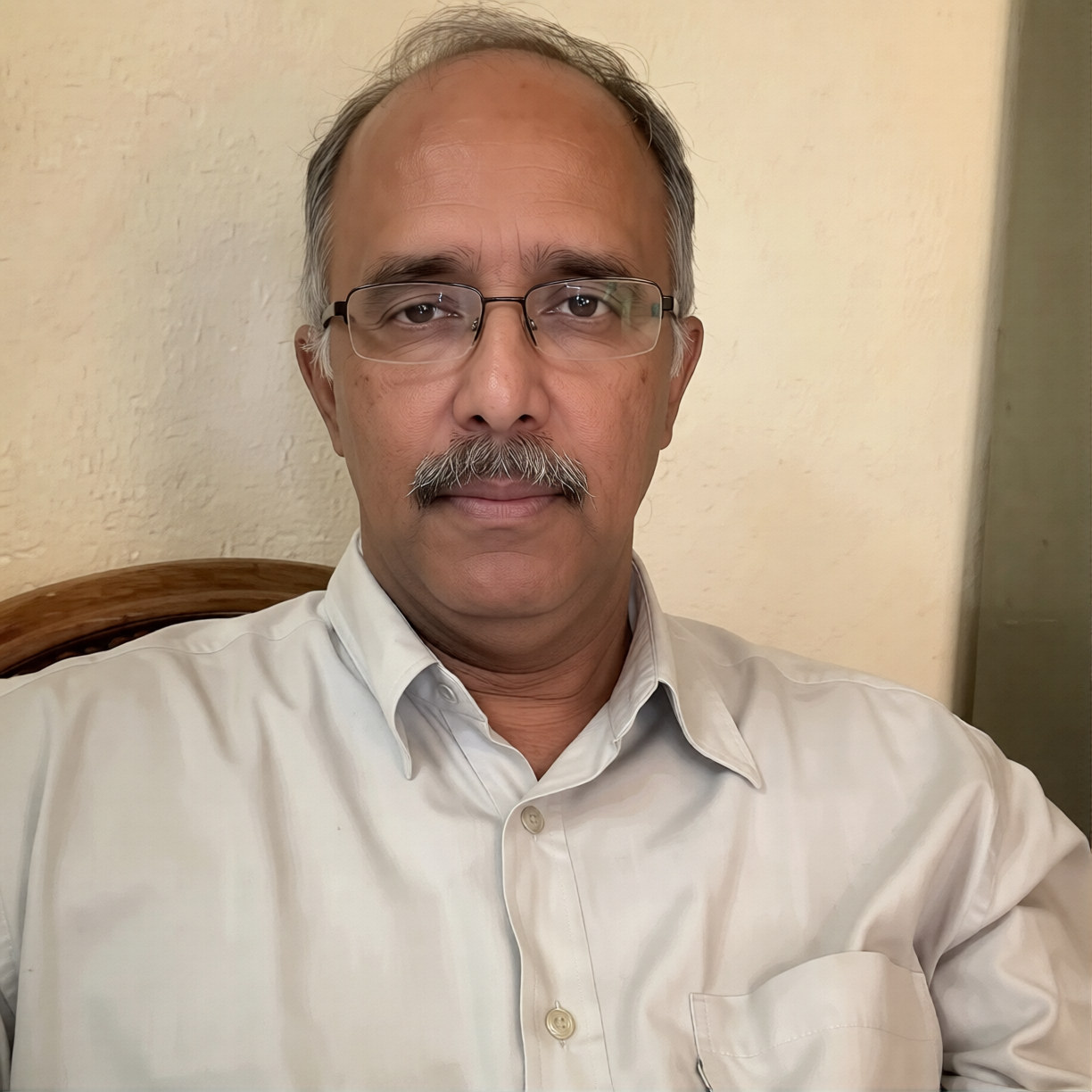
- Senior Professor and holder of the UNESCO Chair in Vulnerability Studies at the University of Hyderabad
- Fellow of the English Association
- Fellow of the Royal Historical Society
- Distinguished Professor, Department of Liberal Arts, Indian Institute of Technology Hyderabad
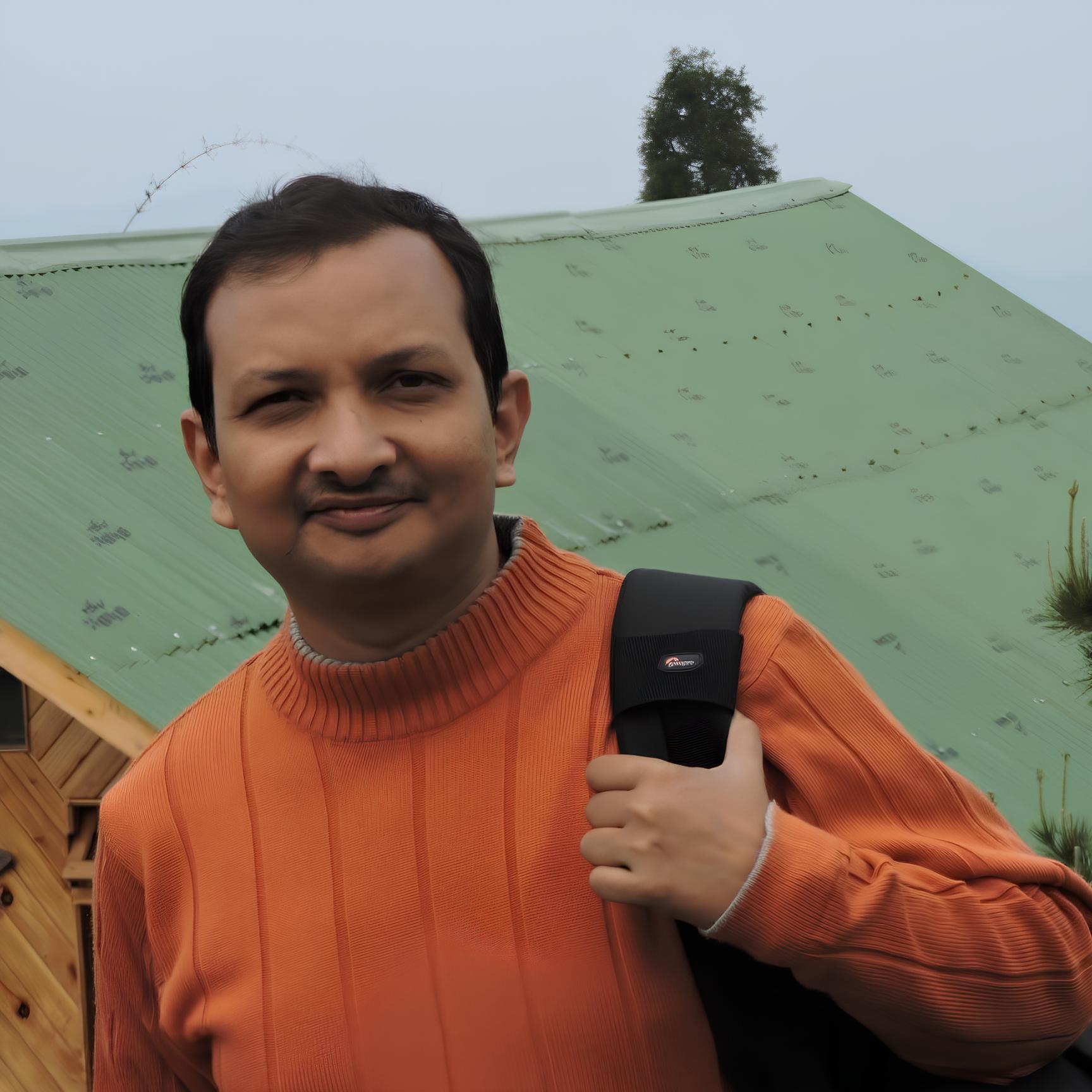
- Associate Professor, Department of English, Shibpur Dinobundhoo College (University of Calcutta)
- Visiting Faculty, Presidency University, Calcutta
- Recipient of the Australia–India Council Fellowship
- Author of Inveterate Walkers, Literary Minds: Bengal’s Pilgrims and their Himalayan Journeys (Routledge, 2025)
- Researcher and speaker with publications on Himalayan journeys, environmental humanities, and travel writing
Submission Guidelines
In strict adherence to the journal's editorial policies, submissions will follow a two-stage process.
Stage 1: Abstract Submission
- Word Count: Approximately 300 words.
- Keywords: Up to 5 keywords.
- Content: The abstract must concisely outline the research problem, theoretical framework, methodology, and key argument and must clearly state how the paper engages with literary, media, or cultural studies.
- Bio-note: Please include a brief author biography (100 words max) and institutional affiliation.
- Format: Submit as a Microsoft Word document (.doc or .docx).
- Submission Subject Line: “Abstract Submission for Creativitas Conference: [Your full name]”
Send abstracts to contact@creativitasjournal.in, with a copy (CC) to creativitasjournal@gmail.com, by the abstract deadline below.
Stage 2: Full Paper (Post-Conference)
Following the online conference, only selected authors will be invited to submit their full manuscripts for double-blind peer review. All invited submissions must strictly adhere to MLA (9th Edition) formatting and will undergo mandatory plagiarism screening via Turnitin or Drillbit.
Download the Call for Papers
For the complete conference details, concept note, and submission guidelines, download the official Call for Papers.
Important Dates
| Event | Date |
|---|---|
| Abstract Deadline | 15 September 2026 |
| Notification of Acceptance | 18 September 2026 |
| Last Date of Registration | 22 September 2026 |
| Full Paper Submission (for Journal Publication) | To be informed later |
Registration Fees
| Category | Fee |
|---|---|
| Faculty Members | Rs 700 |
| PhD Scholars & Independent Researchers | Rs 500 |
| PG/UG Students | Rs 400 |
| International Participants | €7 or $7 |
Payment details and registration link will be shared with selected participants.